Specialized Therapy
Specialized Eating Disorder Therapy
At Michelle Gross, Marriage Family Therapy Inc., I am dedicated to guiding you through your journey of healing and self-discovery. My compassionate approach ensures you feel supported every step of the way as you work to improve your relationship with food, body, and self.
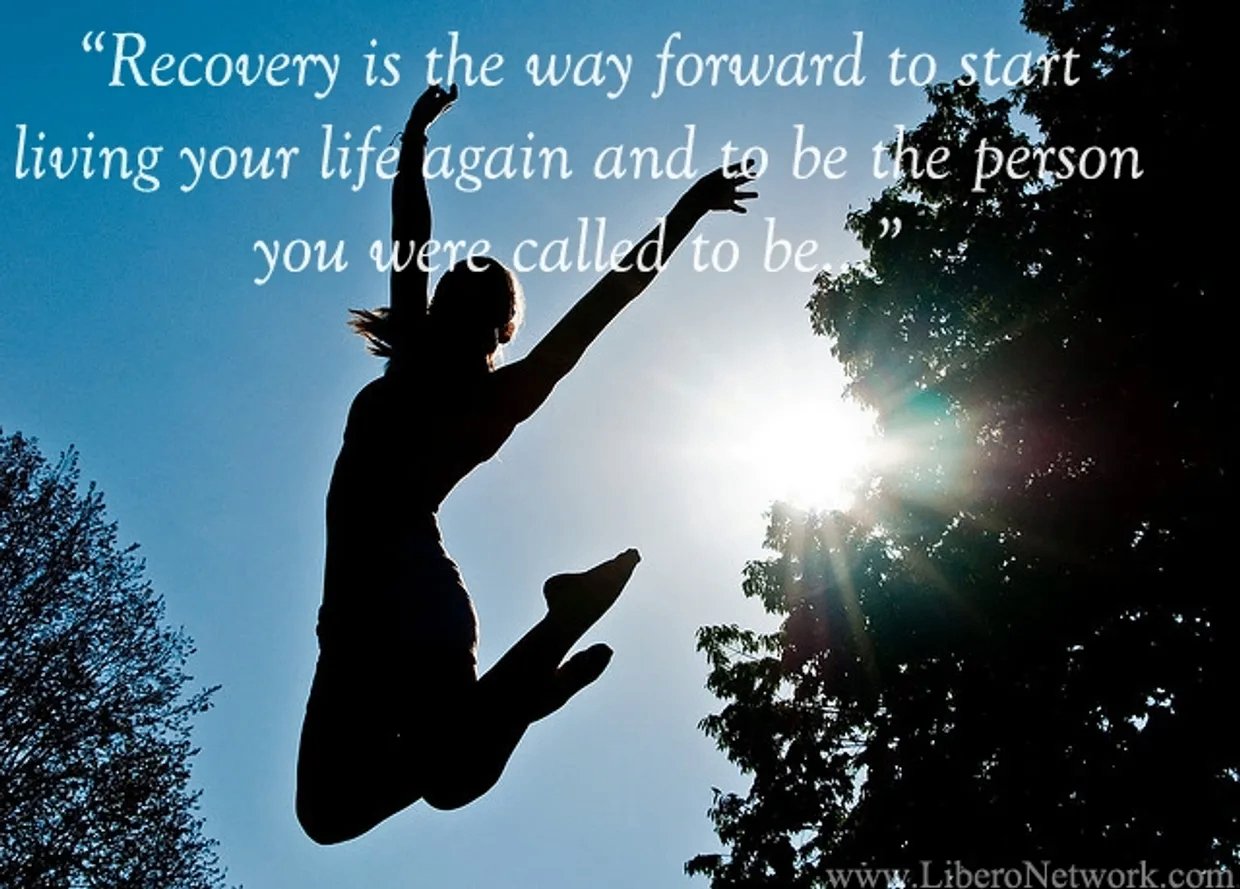
The Struggle is Real: Eating Disorders and Treatment
How it Feels to Struggle With an Eating Disorder
Do you feel guilty over what you eat? Do you compensate by exercise, restriction or purging? Do you like the person you see in the mirror? Together we will explore your need to focus on food choices, calories, exercise and weight. Many things contribute to your emotional struggle that have nothing to do with food or how you look in the mirror. I will help you to discover the root of your anxiety and pain so that you can learn to love and accept yourself as worthwhile and perfectly imperfect. Eating disorders are life threatening! One does not have to live with anorexia, bulimia or binge eating disorder.
You need tools and, having worked with eating disordered and body dysmorphic individuals for over 30 years, I have dozens of them.
Let the healing begin!
I have walked in your shoes. I know how it feels to be terrified of weight gain and obsessed with calories. I have felt the pain of anxiety that interferes with sleep and peace of mind. I know what it feels like to feel "not good enough" and afraid of not being "perfect".
I also know what it feels like to feel capable, lovable and comfortable in my own skin. Recovery can happen! I watch individuals, just like you, fall in love with themselves every day! I believe therapy can be hard work but also fun and exciting! Together we will learn, cry and laugh. We might even eat something forbidden or smash your scale!
I will help you find your voice and your passions. Please call. I'm here to help!
Recovery Is Possible!
Together we can work to help you recognize the beauty that has always existed inside of you!
Recovery is a choice. Although you did not choose to have an eating disorder, you have the ability to choose recovery.
I would love to be part of your journey to a healthier, happier you!
Blessings, Michelle
Warning Signs of an Eating Disorder

Anorexia
- Dieting with relish when not overweight
- Preoccupation with food, calories, nutrition and/or cooking
- Denial of hunger
- Excessive exercising
- Strange food-related behaviors
- Complaints of feeling bloated or nauseated when eating normal amounts of food
- Defensive about one's weight loss
Bulimia
- Excessive concern about weight
- Strict dieting followed by eating binges
- Frequent overeating, especially when distressed
- Leaving for the restroom after meals
- Swollen & puffy neck glands
- Money & food disappearing
Anorexia and Bulimia
- Hidden food or products (diuretics, diet pills, laxatives)
- Withdrawal and loss of friends
- Excessive use of water, coffee, diet soda, spices, etc.
- Extreme mood swings or depression
- A desire to cook & bake for others
- Obsessing over what others eat or weigh
- Hair loss
- Vegetarianism & food phobias
- Scars on the back of hands
- Broken blood vessels in the eyes
- Disrupted sleep
Binge Eating Disorder
- Recurrent episodes of binge eating
- Eating rapidly, large amounts when not hungry
- Eating until physically uncomfortable
- Eating alone due to embarrassment
- Feeling depressed or guilty afterwards
- Binge eating not associated with inappropriate compensation as in Bulimia or Anorexia
Where Did My Eating Disorder Come From?
Check out this great video
A Higher Level of Care
When Should an Eating Disordered Individual Be Hospitalized?
Unfortunately, eating disorders often require a higher level of care than that which can be provided in a private practice setting. If your loved one has been in therapy and seeing a dietitian for a significant period of time without making adequate progress — such as reduction of purging or other compensatory behaviors, weight gain if underweight, reduced frequency of binges — then hospitalization should be considered.
Medical complications such as irregular heart beat, poor blood pressure, potassium deficiency, or being severely underweight all indicate a need for a higher level of care. A client who is suicidal should also be hospitalized.
Please feel free to call me so we can discuss your concerns. Eating Disorders are deadly and proper treatment is critical to the recovery process. In the event that a higher level of care is in order, consider some of my favorite facilities:


Ready to Begin Your Recovery Journey?
Contact Michelle today. She is here to help you reclaim your life and restore your peace.